ULS commemorates International Day in Support of Victims of Torture, reaffirms push for violence-free elections
By Adam Nuwamanya
As Uganda enters the 2025–2026 election season, the Uganda Law Society (ULS) has reiterated its call for peaceful and violence-free elections. This message was emphasized during the 25th Edition of RNBLive, a weekly Thursday engagement that brings together the Radical New Bar, the media, and the public.
Speaking during the belated ULS commemoration of the International Day in Support of Victims of Torture (observed globally on June 26), Paul Kirya, communications and advocacy coordinator at the Africa Centre for Treatment and Rehabilitation of Torture Victims (ACTV), raised concerns about the proliferation of repressive legislation.
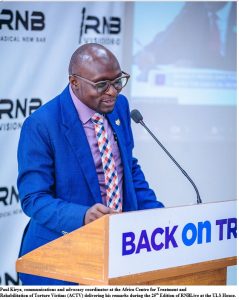
“Uganda today is more invested in rule by law—passing more legislation, introducing more regulations, tightening state control. But human rights are not the same as law. In fact, bad laws have repeatedly been used as tools to undermine human rights,” Kirya noted.
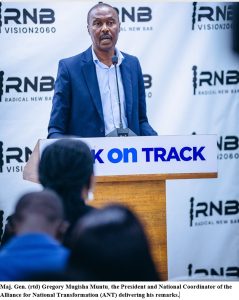
Maj. Gen. (rtd.) Gregory Mugisha Muntu, the President and National Coordinator of the Alliance for National Transformation (ANT), argued that torture has become a tactic of state intimidation, aimed at instilling fear among government critics.
“Recalling our history, which has been characterized by political and constitutional instability, recognizing our struggles against tyranny, oppression, and abuse;
Committed to building a better future through a national constitution rooted in unity, peace, democracy, freedom, social justice, and progress,” Gen. Muntu read from the constitution and then added, “condoning torture is not wanted – that’s why we fought.”
Kakwenza Rukirabashaija, an award-winning author, international lawyer, scholar, and torture survivor, addressed the audience via Zoom. He described torture as a pervasive feature of Uganda’s detention facilities, safehouses, and prisons. However, he accused courts of being conduits of torture.
“When courts issue remand orders without proper scrutiny, they essentially become enablers of state oppression rather than checks on power. This practice clearly conflicts with constitutional rights like personal liberty (Articles 20, 23, and 28), and violates Uganda’s international human rights obligations,” Kakwenza said.
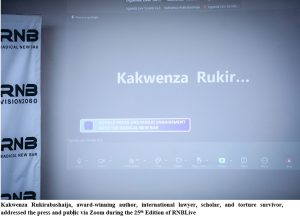
He further urged the judiciary to serve as a bulwark against widespread human rights abuses and posed a critical question to attendees:
“Given these realities, what are the most effective strategies for leveraging international law and universal jurisdiction to bring accountability for torture in Uganda? How can survivors and activists best use these legal frameworks to push for justice?”
Advocate Eddie Nangulu, the ULS Council Representative for the Eastern Region, strongly condemned the continued use of so-called “basements” — clandestine torture chambers operated by state security agencies. Citing incidents such as violence during the Kawempe North by-election and the torture of opposition figure Eddie Mutwe, Nangulu described the situation as part of a deliberately sustained culture of brutality.
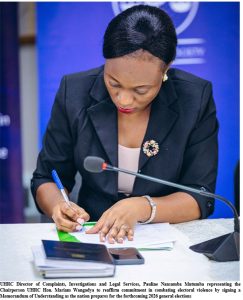
In response, the Uganda Human Rights Commission, in a message from the Chairperson Hon. Mariam Wangadya, delivered by the UHRC director of complaints, investigations and legal services, Pauline Nansamba Mutumba, acknowledged and welcomed all the concerns raised regarding human rights. She, however, emphasized the need for a collective effort to advocate for better resourcing and support for institutions such as the Human Rights Commission.
“Incremental budget increases might seem small, but they can signal a shift if the momentum is sustained,” said Hon. Wangadya.
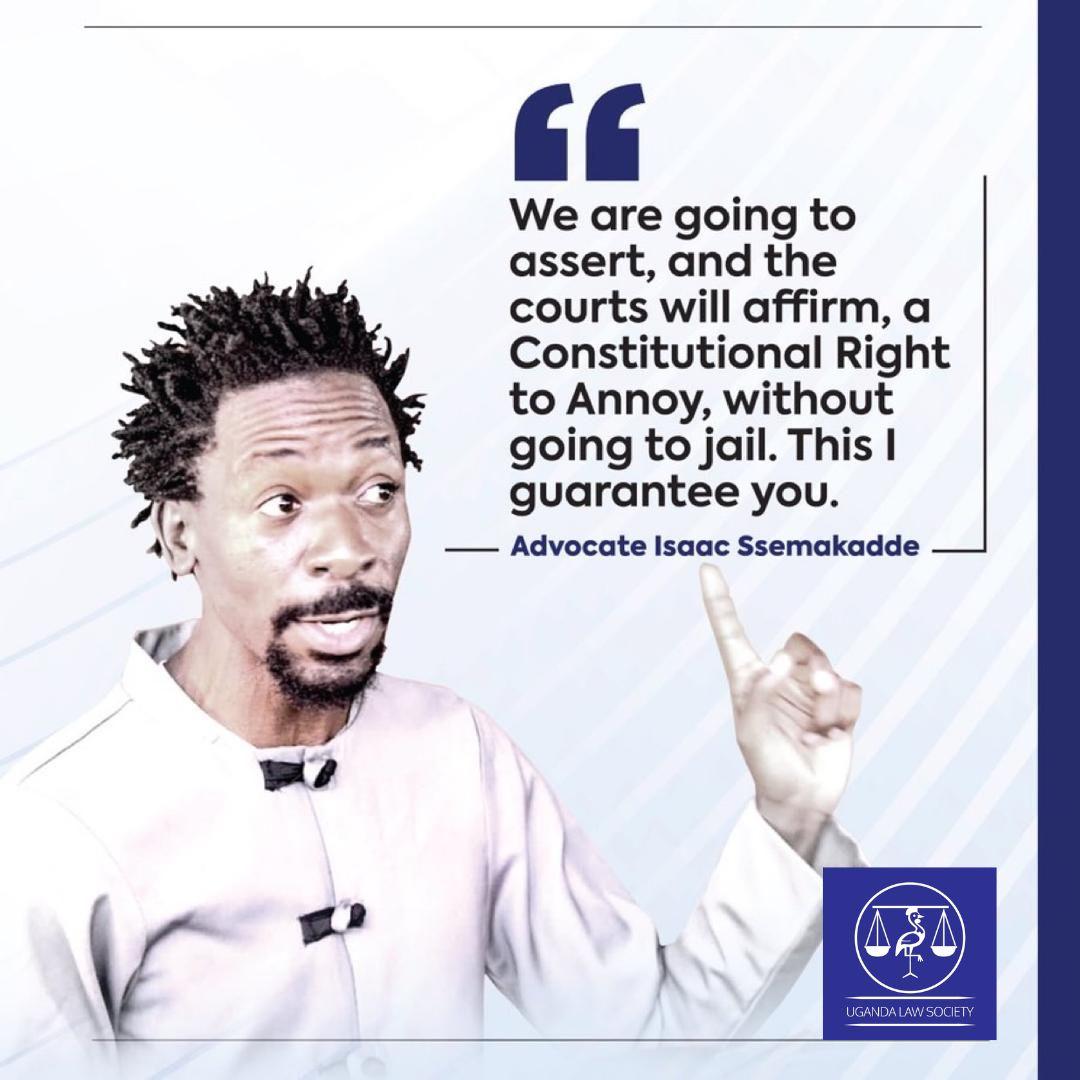
While representing President Isaac Ssemakadde, SC and the rest of the council members, the Vice President Anthony Asiimwe proclaimed ULS support to the victims of torture.
“Torture is not just a legal violation. It is a moral stain. It is a betrayal of our shared humanity—and a direct threat to the very foundation of democracy. No justification. No circumstance. No uniform. Nothing can ever make torture acceptable. There can be no excuse. No pretext. Over the years, we have talked. We have shared stories. We have analyzed laws and dissected the gaps in our systems. Despite our repeated calls for end of torture, nothing has changed.
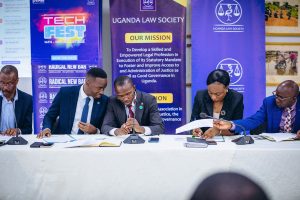
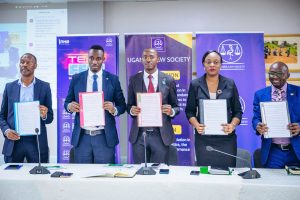
The Uganda Law Society (ULS), together with the Africa Centre for Treatment and Rehabilitation of Torture Victims (ACTV), the Alliance for National Transformation (ANT), and the Uganda Human Rights Commission (UHRC), reaffirmed their commitment to combating electoral violence by signing the Declaration of the Alliance Against Electoral Violence as the nation prepares for the forthcoming 2026 general elections.
Related Posts